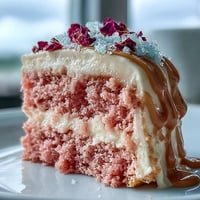
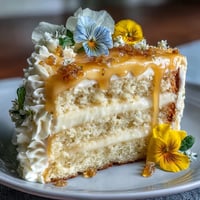
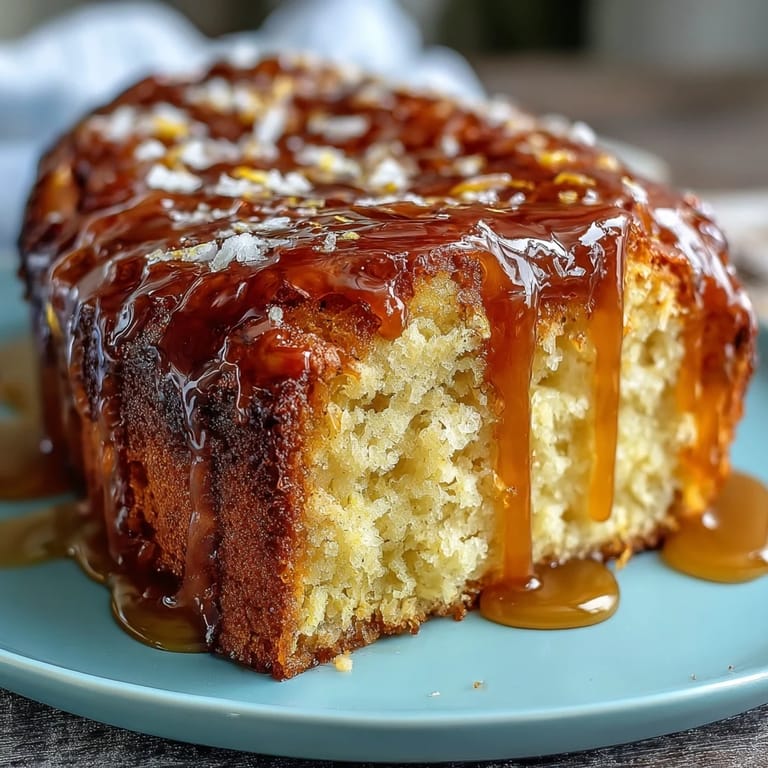
 Save
Save My neighbor Sarah showed up one spring morning with a jar of dandelion honey she'd made herself, and somehow convinced me it belonged in a cake. I was skeptical until that first bite—the floral sweetness paired with bright lemon created something that tasted like early summer, even when we were still wearing sweaters. The cake stayed tender for days, which meant I had an excuse to keep tasting it with my morning tea. This has since become my go-to for potlucks when I want people to ask for the recipe, and I always smile knowing it started with a friendly push and a homemade jar.
I made this for my sister's garden party last June, and watching people close their eyes after that first bite told me everything. She served it on vintage plates with fresh mint from her garden, and suddenly what could have been just another dessert became the thing everyone was talking about long after the plates were cleared. One guest even asked if I'd made it professionally—I think that's when I knew this recipe was keeper.
Ingredients
- All-purpose flour (2 cups): Make sure it's measured by spooning and leveling, not scooping straight from the bag, or you'll end up with a dense cake that feels more like pound cake than what you're going for.
- Baking powder and baking soda (1 1/2 tsp and 1/2 tsp): These work together to give you that tender, slightly springy crumb—don't skip either one or the texture suffers.
- Fine sea salt (1/2 tsp): This cuts through the sweetness and actually makes the lemon and honey flavors pop more than you'd expect.
- Unsalted butter (1/2 cup, room temperature): Cold butter won't cream properly, so pull it out about an hour before you start mixing.
- Dandelion honey (1/2 cup): If you can't find it, regular honey works fine, but the dandelion version has this delicate floral quality that makes the cake special—it's worth hunting for at farmers markets or online.
- Granulated sugar (1/2 cup): This adds structure and helps the cake rise evenly in the oven.
- Large eggs (3, room temperature): Room temperature eggs emulsify better and create a smoother batter—take them out of the fridge at least 30 minutes before you start.
- Pure vanilla extract (1 tsp): Use the real stuff, not the imitation, it makes a noticeable difference in how the cake tastes.
- Whole milk (1/2 cup, room temperature): The liquid needs to be warm so it doesn't shock the batter when you add it.
- Lemon zest and juice (2 tbsp each): Zest your lemons before you juice them, and choose ones that feel heavy for their size—they'll have more juice inside.
- Powdered sugar for glaze (1 cup, sifted): Sifting removes lumps and makes the glaze smooth and elegant without any grittiness.
Tired of Takeout? 🥡
Get 10 meals you can make faster than delivery arrives. Seriously.
One email. No spam. Unsubscribe anytime.
Instructions
- Get Your Oven Ready and Pan Prepared:
- Heat your oven to 350°F while you're gathering ingredients, and grease that cake pan thoroughly—I like to use parchment paper on the bottom too so the cake releases cleanly. This takes less than a minute but saves so much frustration later.
- Mix Your Dry Ingredients:
- Whisk together the flour, baking powder, baking soda, and salt in a medium bowl until they're evenly combined. Set it aside and try not to peek at it—I know that sounds silly, but you want to stay focused on the next step.
- Cream the Butter, Honey, and Sugar:
- This is where the magic starts—beat these three together for about three minutes until the mixture looks pale and fluffy, like the texture of cloud. You'll know it's ready when it's noticeably lighter in color and feels almost airy when you stop the mixer.
- Add Eggs One by One:
- Drop in one egg, mix until it's fully incorporated, then add the next—this gentle approach prevents the batter from looking curdled or broken. Once all three eggs are in, stir in the vanilla, lemon zest, and lemon juice until everything is one unified mixture.
- Alternate Flour and Milk Carefully:
- This is the step that determines whether your cake is tender or tough, so take your time—add about a third of the flour mixture, then half the milk, then another third of flour, the rest of the milk, then the final flour. Mix just until you don't see any streaks of flour, then stop—overmixing develops gluten and makes the cake dense and chewy.
- Bake Until Golden and Set:
- Pour everything into your prepared pan and smooth the top gently, then slide it into the oven for 35 to 40 minutes. The cake is done when the top is golden and a toothpick poked in the center comes out clean, maybe with one tiny crumb clinging to it.
- Cool Properly Before Glazing:
- Let it rest in the pan for 10 minutes—this prevents the cake from breaking apart—then turn it out onto a wire rack to cool completely. This is the hardest part because it smells so good, but rushing this step can cause the glaze to melt into a puddle.
- Make the Lemon Glaze:
- Whisk together the sifted powdered sugar, dandelion honey, and lemon juice, adding the juice gradually so you can control the thickness—you want something that drizzles but doesn't run off the cake. The honey adds a subtle warmth to the glaze that regular sugar just can't do.
- Glaze and Serve:
- Pour or drizzle the glaze over the completely cooled cake and let it set for about 10 to 15 minutes before slicing. Once it's set, cut with a hot, wet knife between each slice for clean edges.
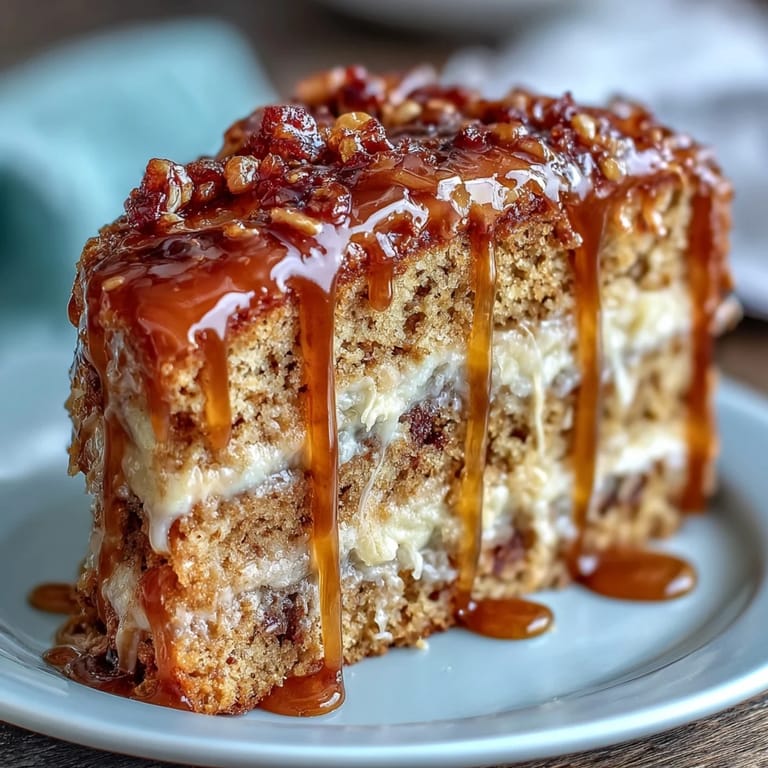 Save
Save There's something about watching someone taste this cake for the first time that never gets old—you see that moment where the floral honey and bright lemon click in their mouth, and suddenly they understand why you've been raving about it. I've come to realize that this cake has become more than just dessert in my kitchen; it's become my spring signature, the thing I reach for when I want to give people something that feels both comforting and a little bit special.
The Magic of Dandelion Honey
Dandelion honey is not something I would have sought out on my own, but once I tasted it, I understood why people go out of their way to find it. It's more delicate than clover or wildflower honey, with this subtle floral note that lingers on your tongue without being overwhelming. If your farmer's market doesn't have it, ask your local beekeeper directly—many keep dandelions specifically because of the honey they produce, and supporting them directly means supporting local agriculture.
Why Lemon and Honey Were Always Meant to Meet
This pairing feels almost ancient when you think about it—honey and lemon have been soothed with together for thousands of years, but somehow we forget to put them in cake. The acid in the lemon actually brightens the sweetness of the honey and prevents the cake from tasting cloying or one-note. I learned this by accident when I tried making a honey cake without lemon once, and it tasted almost medicinal—the lemon zest and juice are what transform this from interesting into irresistible.
Storing, Serving, and Sharing This Cake
This cake stays fresh and moist at room temperature in an airtight container for three days, which is honestly longer than most cakes last in my house. It pairs beautifully with herbal tea, especially chamomile or mint, and I've even served it with a light floral white wine to guests who were feeling fancy. If you want to add dandelion petals to the batter for extra floral flavor, use only unsprayed petals—forage from your own yard or buy from specialty grocers.
- Always let the cake cool completely before glazing or the glaze will melt into a puddle instead of setting nicely on top.
- If you're making this ahead, you can bake the cake a day in advance and glaze it just before serving so it stays shiny and fresh-looking.
- This cake actually tastes better the next day when the flavors have had time to settle and meld together, so don't hesitate to make it in advance for special occasions.
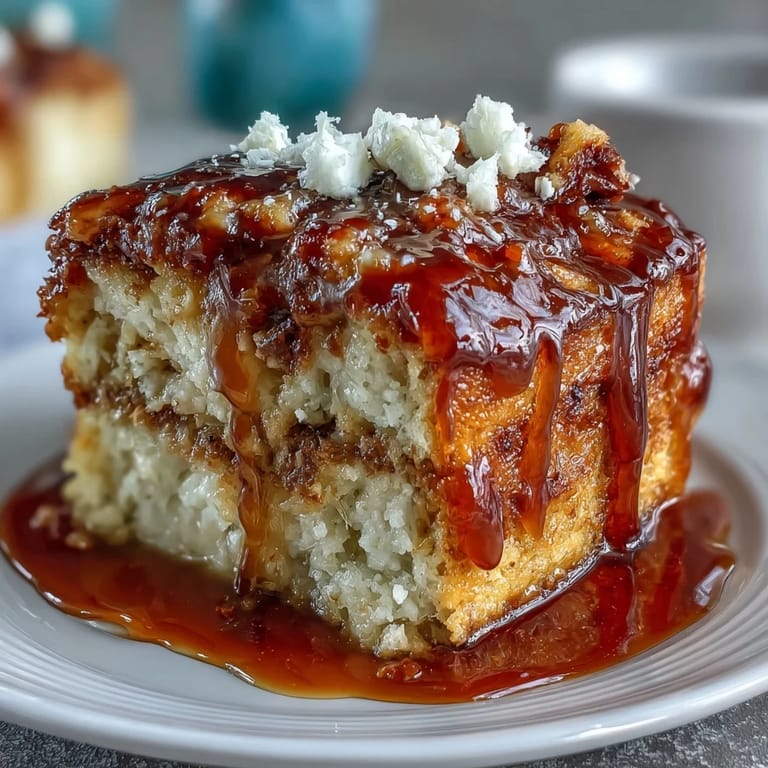 Save
Save This cake has somehow become the dessert I return to over and over, the one that feels both elegant enough for a dinner party and simple enough for a quiet afternoon with tea. If you make it, I hope someone you love gets to taste it while it's still warm and the lemon glaze is just setting.
Recipe Questions & Answers
- → What gives this cake its unique flavor?
The floral dandelion honey imparts a distinctive sweetness, complemented by fresh lemon zest and juice in both the batter and glaze for a bright, citrusy note.
- → Can I substitute the dandelion honey?
Yes, regular honey can be used if dandelion honey is unavailable, though the floral undertones may be less pronounced.
- → How is the lemon glaze prepared?
The glaze is made by whisking powdered sugar with freshly squeezed lemon juice and a touch of dandelion honey until smooth, then drizzled over the cooled cake.
- → What texture should I expect from this cake?
The cake is moist and tender with a light crumb, enhanced by the buttery richness and hints of citrus.
- → How should leftovers be stored?
Store leftovers in an airtight container at room temperature for up to three days to maintain freshness.