 Save
Save There's something quietly magical about the moment parsnips hit a hot oven and the kitchen fills with that sweet, almost honeyed smell. I discovered this soup on a grey October afternoon when I had a glut of parsnips from the market and nothing but time. The combination of roasting them first—letting their natural sugars caramelize—before blending them into something silky changed how I thought about soup altogether. It's become my go-to when I need comfort without fuss, and it turns out nearly everyone who tries it asks for the recipe.
I made this soup for my mum on a Sunday when she was feeling under the weather, and watching her face soften after that first spoonful reminded me why cooking for someone matters. She sat at the kitchen table while I was still blending, the steam rising, and asked if I'd add dill—which I hadn't planned—so I did, and she was right. Small moments like that taught me that recipes are really just invitations to pay attention.
Ingredients
- Parsnips, 800 g peeled and cut into chunks: Roasting brings out their sweetness and makes the soup naturally creamy without needing much dairy, a small secret that transforms the whole thing.
- Medium onion, chopped: This becomes almost invisible in the blend but carries the savory backbone that stops the soup from tasting one-note.
- Garlic cloves, 2 peeled: Roasting mellows garlic beautifully; it won't be harsh or aggressive, just a gentle warmth underneath.
- Medium potato, peeled and diced: The potato acts as a silent thickener, absorbing flavors while adding body without any gumminess.
- Vegetable stock, 1 L: Use one you actually like the taste of because it's the foundation; I learned this the hard way with a dubious batch once.
- Whole milk or plant-based milk, 200 ml: Added at the end to keep the soup from becoming too heavy, and it creates that gentle richness.
- Olive oil, 2 tbsp: Good olive oil matters here since it goes into the roasting and will be tasted directly; don't reach for the cheapest bottle.
- Bay leaf, 1: Fish this out before blending or you'll have a bitter chip in your otherwise smooth soup.
- Fresh thyme leaves, 1 tsp (or ½ tsp dried): Fresh thyme has a brightness that dried can't quite match, but dried will do if that's what you have.
- Ground white pepper, ½ tsp: White pepper is less aggressive than black and disappears into the creaminess rather than sitting on top of it.
- Salt: Always taste as you go; seasoning at the end means you won't oversalt while cooking down.
- Fresh parsley, 2 tbsp chopped: Parsley is the everyday hero that doesn't announce itself but makes everything taste brighter.
- Fresh chives, 2 tbsp chopped: These add a whisper of onion without any heaviness, stirred in just before serving so they keep their snap.
- Fresh dill, 1 tbsp chopped optional: Dill is the wildcard that my mum insisted on; if you like it, don't be shy with it.
Tired of Takeout? 🥡
Get 10 meals you can make faster than delivery arrives. Seriously.
One email. No spam. Unsubscribe anytime.
Instructions
- Heat your oven and prepare the vegetables:
- Get the oven to 200°C (400°F) so it's properly hot by the time you're ready. Cut your parsnips into chunks roughly the same size—this matters for even roasting—and toss everything with olive oil on a baking tray until coated.
- Roast until golden and tender:
- Spread the vegetables in a single layer and roast for 25–30 minutes, giving them a stir halfway through so they caramelize on all sides. You're looking for deep golden edges and a fork-tender texture; the smell at this point is your best indicator.
- Build and simmer the soup:
- Tip the roasted vegetables into a large saucepan, add the diced potato, bay leaf, thyme, white pepper, and stock, then bring it to a boil. Turn the heat down and let it simmer gently for about 15 minutes until the potatoes are completely soft and easy to break with a spoon.
- Blend until silky:
- Remove the bay leaf first—and this step is easy to forget, so catch it now. Use a blender or immersion blender to puree everything until there are no lumps and the soup is completely smooth.
- Finish with milk and fresh herbs:
- Pour the blended soup back into the pan, stir in the milk, and warm it through gently without letting it boil, which would break the creaminess. Stir in your fresh parsley, chives, and dill, then taste and adjust the salt.
- Serve with care:
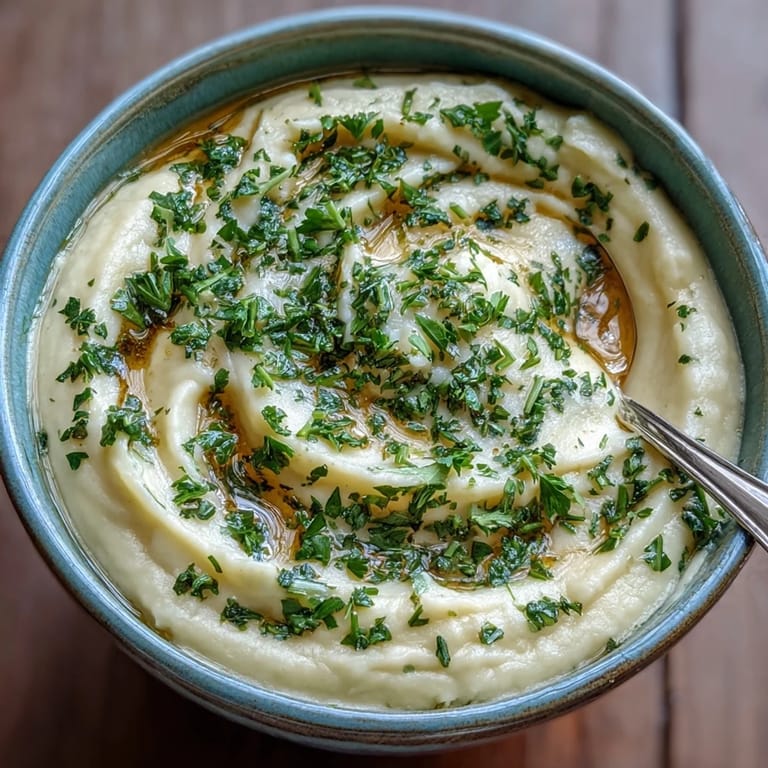
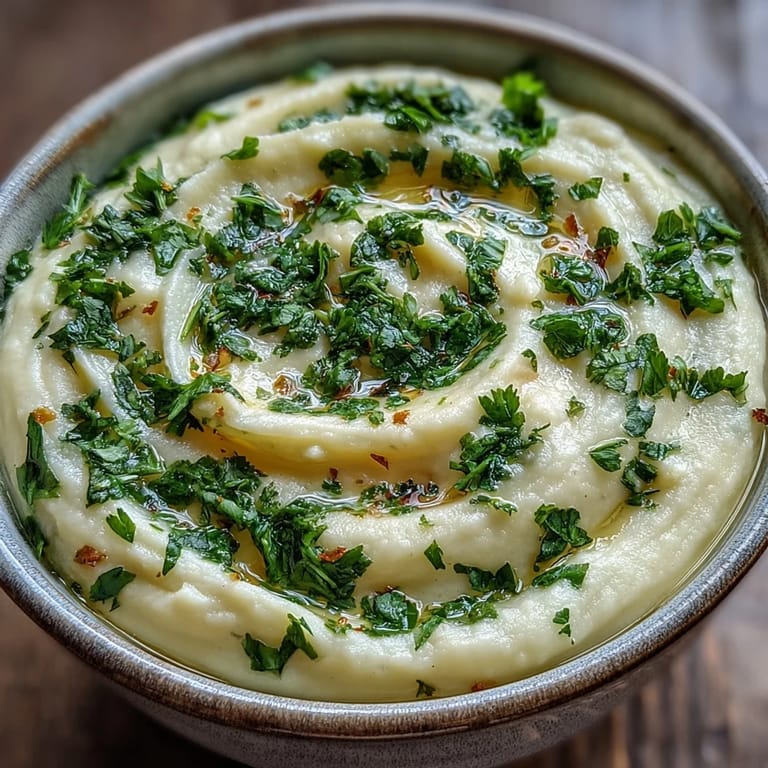
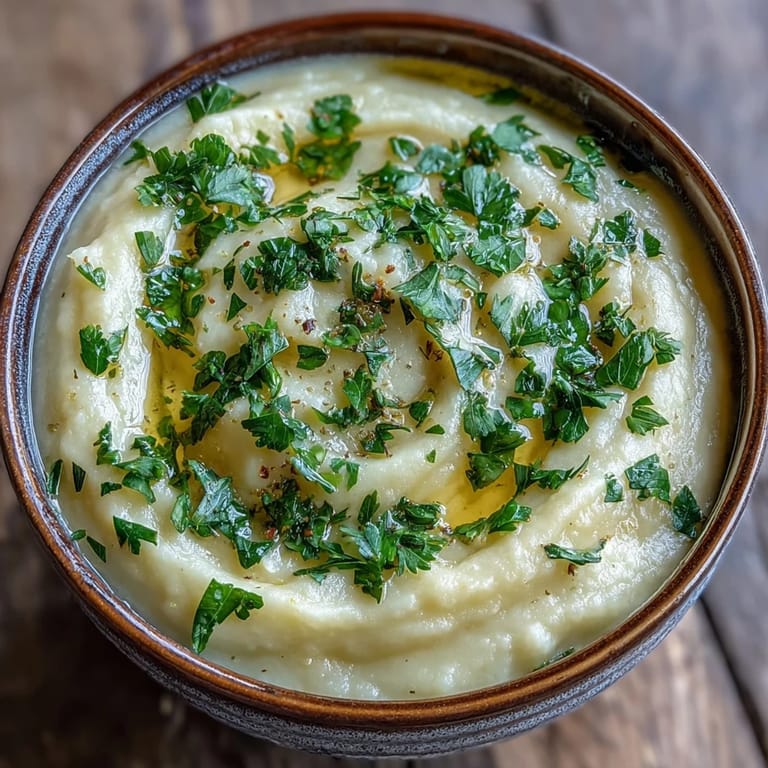
- Ladle into warm bowls and finish with a few herb leaves and a drizzle of olive oil or cream if you're in the mood.
 Save
Save There's a moment when a good soup finishes in the bowl where everything feels simpler and kinder. I've learned that this particular soup has a way of turning weeknight cooking into something that feels a bit special without demanding anything complicated from you.
The Case for Roasting Root Vegetables
Roasting parsnips before blending them into soup is the difference between a vegetable puree and something with real character. The heat caramelizes the natural sugars, creating depth that you simply can't get by starting everything raw in stock. I used to think this was an unnecessary step until I made the soup both ways back-to-back; the roasted version had people asking for seconds and thirds.
Adapting for Your Kitchen and Preferences
This recipe is genuinely flexible if you understand what each ingredient is doing. If you don't have fresh dill, skip it entirely—the soup stands perfectly well on parsley and chives alone. Plant-based milk works beautifully if that's what you use; the soup won't know the difference. Nutmeg is optional but worth trying; just a tiny pinch added right at the end lifts everything in a way that's hard to define but easy to taste.
Making This Soup Your Own
The best recipes are the ones you eventually stop following exactly and start trusting instead. Once you've made this soup once, you'll know whether you want it earthier with more thyme, brighter with extra herbs, or richer with a splash more cream. What started as my comfort soup has become my blueprint for how to think about building flavor in the kitchen. The real gift of learning to cook something like this is realizing you can taste your way through rather than rigidly follow instructions.
- If you have an immersion blender, you can skip dirtying an extra bowl and blend the soup right in the pan.
- Make a double batch and freeze half; it keeps beautifully for up to three months.
- Serve it with crusty bread for texture, or alongside a simple green salad for a light supper.
 Save
Save This soup reminds me why cooking matters—it's a small act that turns a few ingredients into something warm and nourishing. Make it for someone, make it for yourself, or make it just because it's the kind of day that calls for something gentle and true.
Recipe Questions & Answers
- → Can I make this soup ahead of time?
Yes, this soup keeps well in the refrigerator for up to 3 days. Store it in an airtight container and reheat gently on the stovetop, adding a splash of stock or milk if it has thickened. Add fresh herbs just before serving for the best flavor.
- → Can I freeze parsnip soup?
Absolutely. Freeze the soup before adding the milk and fresh herbs. Store in freezer-safe containers for up to 3 months. Thaw overnight in the fridge, then reheat and stir in the milk and herbs when ready to serve.
- → What can I use instead of parsnips?
You can substitute with carrots, celery root, or a combination of root vegetables. Keep in mind that parsnips have a distinctive sweet, earthy flavor that will change the overall taste of the soup.
- → How do I make this soup vegan?
Simply replace the whole milk with your preferred plant-based milk such as oat, almond, or cashew milk. Skip any cream garnish or use a plant-based cream alternative instead.
- → Why roast the vegetables first?
Roasting caramelizes the natural sugars in the parsnips, onion, and garlic, creating deeper, more complex flavors than boiling alone. This extra step adds a subtle sweetness and richness to the finished soup.
- → Can I use dried herbs instead of fresh?
While fresh herbs provide the best flavor and color, you can use dried herbs in a pinch. Use about one-third the amount of dried herbs compared to fresh, and add them during cooking rather than at the end.