 Save
Save The kitchen smelled like butter and wine, and I was convinced I'd ruined everything. My first attempt at Chicken Marsala involved too much flour, a too-hot pan, and a sauce that split the moment I added the cream. But my neighbor, an Italian grandmother who could hear my frustrated sighs through the wall, knocked on my door with a wooden spoon and fixed it in under three minutes. She taught me that good cooking isn't about perfection, it's about adjusting as you go.
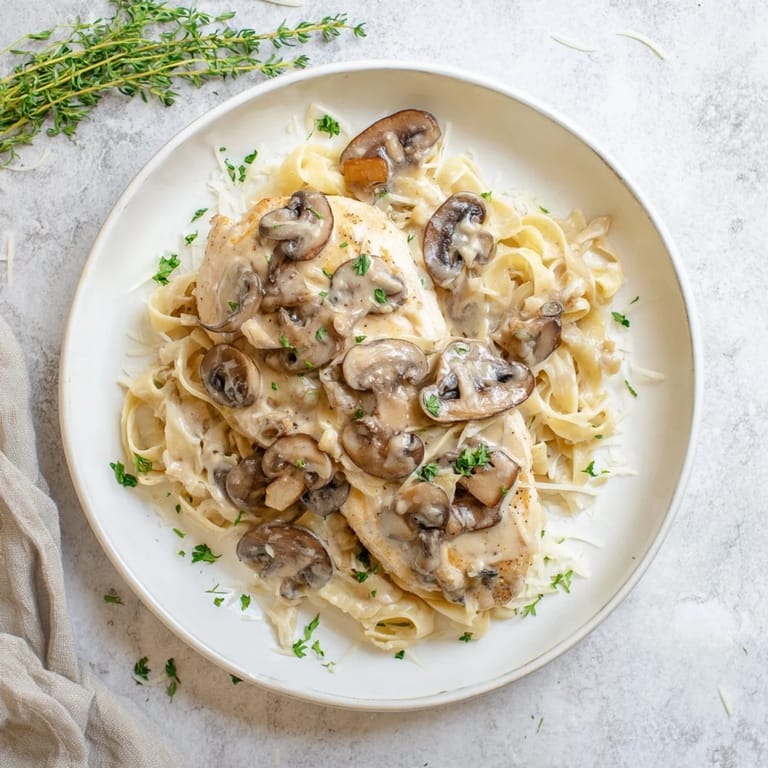
I made this for my in-laws the first time they visited our new apartment. The kitchen was tiny, the stove temperamental, but when I set down those plates of golden chicken draped in creamy mushroom sauce, the room went quiet. My father-in-law, who rarely compliments anything, asked if I'd been hiding my chef skills all along. I wasn't, I'd just finally learned to trust the process and let the wine do its magic.
Ingredients
- Boneless, skinless chicken breasts: Pounding them to an even thickness is the secret to cooking them perfectly without drying out one end.
- All-purpose flour: This creates a light crust that helps the sauce cling to the chicken and adds body to the pan drippings.
- Kosher salt and black pepper: Season generously, the flour will dilute some of the flavor, so don't be shy.
- Olive oil and unsalted butter: The combination prevents burning while giving you that nutty, golden flavor butter alone can't achieve at high heat.
- Cremini or white mushrooms: Slice them evenly so they cook at the same rate and develop a deep, caramelized flavor.
- Garlic cloves: Add these after the mushrooms or they'll burn and turn bitter in seconds.
- Dry Marsala wine: Do not use sweet Marsala, it will make the sauce cloying and unbalanced.
- Low-sodium chicken broth: This lets you control the salt level and keeps the sauce from becoming too salty as it reduces.
- Heavy cream: Stir it in off the heat or on low to prevent curdling, patience here makes all the difference.
- Dried thyme: Fresh is lovely, but dried thyme has a concentrated earthiness that holds up beautifully in the sauce.
- Fettuccine or spaghetti: Cook it just shy of al dente, it will soak up some sauce and finish cooking as it sits.
- Fresh parsley: Chop it just before serving, it brings a bright, fresh contrast to the rich sauce.
- Parmesan cheese: Optional, but a few shavings on top add a salty, nutty finish that ties everything together.
Tired of Takeout? 🥡
Get 10 meals you can make faster than delivery arrives. Seriously.
One email. No spam. Unsubscribe anytime.
Instructions
- Boil the pasta:
- Bring a large pot of salted water to a rolling boil and cook the pasta until just al dente. Drain and set aside, tossing with a tiny drizzle of olive oil if it sits for more than a few minutes.
- Pound the chicken:
- Place each chicken breast between two sheets of plastic wrap and gently pound with a meat mallet or rolling pin until they're an even half-inch thick. This ensures they cook evenly and stay tender.
- Dredge in flour:
- Combine flour, salt, and pepper in a shallow dish, then dredge each chicken breast lightly, shaking off any excess. Too much flour will make the sauce gloppy.
- Sear the chicken:
- Heat olive oil and butter in a large skillet over medium-high heat until shimmering, then add the chicken and cook 4 to 5 minutes per side until golden brown and cooked through. Transfer to a plate and tent loosely with foil.
- Sauté the mushrooms:
- Add butter and mushrooms to the same skillet, stirring occasionally until they release their moisture and turn golden brown, about 4 to 5 minutes. Add garlic and cook just 30 seconds until fragrant.
- Deglaze with Marsala:
- Pour in the Marsala wine, scraping up all those beautiful browned bits from the bottom of the pan. Let it simmer for 2 minutes to cook off the alcohol and concentrate the flavor.
- Build the sauce:
- Add chicken broth, cream, and thyme, then simmer gently for 3 to 4 minutes until the sauce thickens enough to coat the back of a spoon. Season with salt and pepper to taste.
- Finish the chicken:
- Return the chicken and any accumulated juices to the skillet, spooning sauce over the top. Simmer for 2 to 3 minutes until everything is heated through and the chicken is glossy with sauce.
- Plate and garnish:
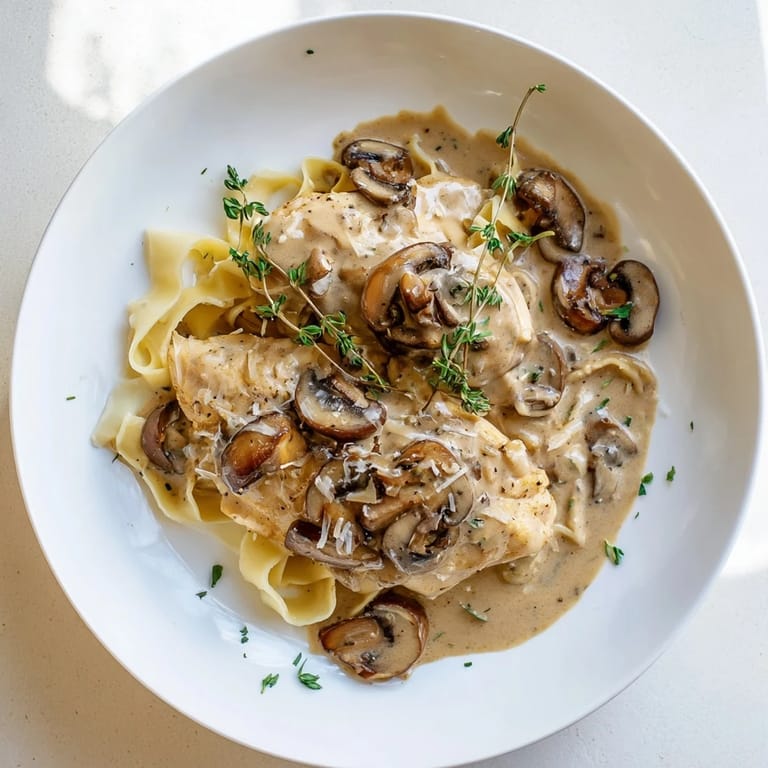
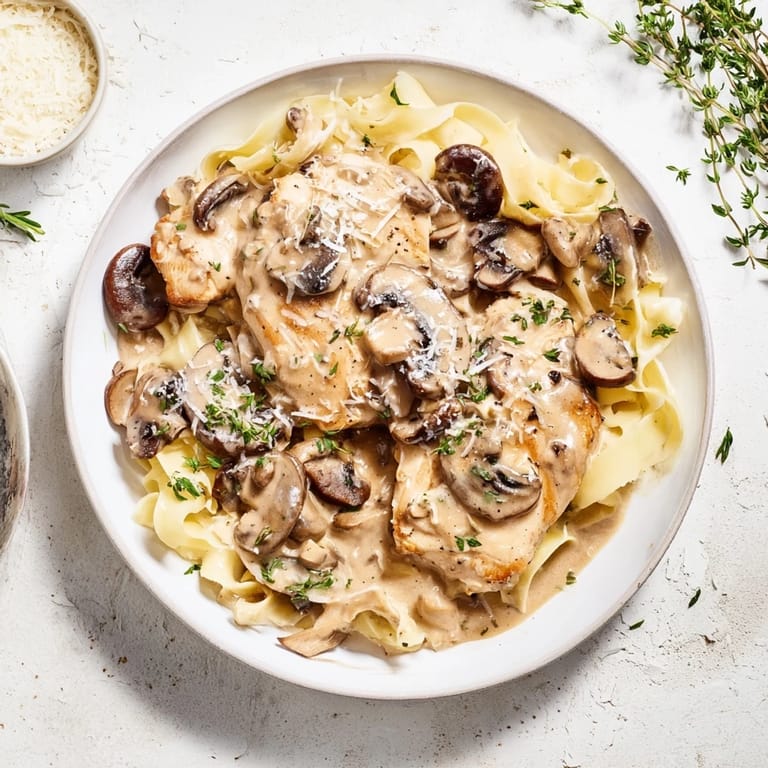
- Serve the chicken and sauce over the cooked pasta, then sprinkle with fresh parsley and Parmesan if you like. Pass extra Parmesan at the table.
 Save
Save One winter evening, I made this for a friend going through a rough breakup. We ate it straight from the skillet, twirling pasta and laughing through tears, and she told me later that it was the first time in weeks she'd felt like herself again. Food has a way of doing that, of giving us a moment to breathe and remember that comfort is still possible.
Choosing Your Wine
Dry Marsala is sold in most grocery stores near the cooking wines, but if you can find it in the wine aisle, grab that instead. The cooking wine versions often have added salt and preservatives that can make your sauce taste tinny. A decent bottle will cost a bit more, but you'll use it again, and the difference in flavor is undeniable. If you can't find Marsala at all, a dry sherry or even a dry white wine with a splash of balsamic vinegar can work in a pinch, though the flavor won't be quite the same.
Making It Ahead
You can sear the chicken and make the sauce up to a day in advance, then store them separately in the fridge. When you're ready to serve, gently reheat the sauce in a skillet, add the chicken, and let it simmer until warmed through. Cook the pasta fresh, it only takes a few minutes and tastes so much better than reheated pasta. If you're bringing this to a potluck, keep the chicken and sauce in a slow cooker on low and cook the pasta on-site if possible.
Swaps and Variations
Boneless, skinless chicken thighs are richer and more forgiving than breasts, they stay juicy even if you overcook them slightly. For a lighter version, skip the cream and use half-and-half or even whole milk, though the sauce won't be quite as luscious. If you're gluten-free, swap the all-purpose flour for a gluten-free blend and use your favorite gluten-free pasta, the sauce will still cling beautifully.
- Add a splash of balsamic vinegar to the sauce for a subtle tang that balances the richness.
- Toss in a handful of baby spinach or arugula at the end for a pop of color and freshness.
- Serve it over creamy polenta or mashed potatoes instead of pasta for a heartier, more rustic presentation.
 Save
Save This dish has become my go-to when I want to feel like I've accomplished something special without spending all evening in the kitchen. It's proof that a little butter, a little wine, and a lot of patience can turn a simple weeknight into something worth remembering.
Recipe Questions & Answers
- → Can I use chicken thighs instead of breasts?
Yes, boneless chicken thighs work wonderfully and provide a richer, more flavorful result. They're also more forgiving and stay tender even with slightly longer cooking times.
- → What if I don't have Marsala wine?
Dry sherry or a quality dry white wine can substitute for Marsala. The flavor profile will be slightly different but equally delicious. Avoid sweet Marsala unless you prefer a sweeter sauce.
- → How do I prevent the chicken from drying out?
Pound the chicken to even thickness for uniform cooking, don't overcook beyond 165°F internal temperature, and return it to the sauce briefly to keep it moist. Using thighs also helps retain moisture.
- → Can I make this gluten-free?
Absolutely. Substitute all-purpose flour with gluten-free flour for dredging the chicken, and use gluten-free pasta. The sauce is naturally gluten-free if you use certified broth and wine.
- → How far ahead can I prepare this?
You can pound and dredge the chicken several hours ahead, covered and refrigerated. Prepare the sauce just before serving for the best flavor and texture. Cook pasta fresh or reheat gently with additional sauce.
- → What pasta shapes work best?
Fettuccine and spaghetti are traditional choices that cling beautifully to the creamy sauce. Pappardelle, tagliatelle, or even egg noodles work well. Avoid tubes like penne as they don't hold the sauce as elegantly.