 Save
Save There's something quietly magical about celery root that most people never discover. I stumbled onto it during a winter farmers market browse, drawn by its knobby, intimidating appearance, and decided to turn it into soup on a whim. That first spoonful taught me that the most elegant flavors often hide beneath the most unglamorous exteriors, and now whenever cold weather settles in, this bisque becomes my answer to feeling both nourished and a little bit fancy.
I made this for my partner on a random Tuesday when they'd had a rough week, and watching their expression shift from tired to genuinely delighted as they tasted it reminded me why I cook. The soup became our quiet ritual that winter, something we'd request on difficult days, until eventually it wasn't about fixing bad moods anymore but just about sitting together with something warm and beautiful.
Ingredients
- Celery root (1 large, about 700 g): Don't let its bumpy exterior fool you—peel it generously with a knife or vegetable peeler, and the sweet, subtle flavor inside is pure magic that anchors the entire soup.
- Yukon Gold potato (1 medium): This variety breaks down into creamy silk rather than remaining grainy, which is the secret to achieving that luxurious texture without relying on excessive cream.
- Leek (1 medium): The white and light green parts have a gentle onion-like sweetness that's more refined than regular onion; wash between the layers carefully since grit hides there.
- Yellow onion (1 small): This adds depth and helps build the flavor base, but keep it small so it doesn't overshadow the delicate celery root.
- Garlic cloves (2, minced): Just enough to whisper in the background without announcing itself loudly.
- Vegetable broth (4 cups): Quality matters here since it's your main liquid—use something you'd actually taste on its own, and check the label for gluten-free certification if needed.
- Whole milk or plant-based milk (1 cup): This adds body without the heaviness of cream alone; plant-based versions work beautifully if you're avoiding dairy.
- Heavy cream or non-dairy cream (1/2 cup): The final richness that transforms soup into bisque, but don't skip the milk in favor of more cream or you'll overpower the subtle vegetable flavor.
- Unsalted butter or olive oil (2 tbsp): Butter gives a traditional French richness, while olive oil keeps things lighter and vegan-friendly.
- Bay leaf (1): An aromatic anchor that you'll remove before blending; it adds complexity without any harsh edges.
- Ground white pepper (1/4 tsp): White pepper stays invisible while adding gentle heat, unlike black pepper which would fleck your pristine soup.
- Salt (to taste): Always taste as you season at the very end, since broth saltiness varies.
- Fresh chives or parsley (for garnish): These add color, freshness, and the smallest reminder that something alive went into making this.
Tired of Takeout? 🥡
Get 10 meals you can make faster than delivery arrives. Seriously.
One email. No spam. Unsubscribe anytime.
Instructions
- Sauté the aromatics:
- Melt your butter over medium heat and add the sliced leek, chopped onion, and minced garlic. You're aiming for soft and fragrant, not browned—about five minutes where they become translucent and the kitchen smells like someone who knows what they're doing. Listen for the gentle sizzle to quiet down, which signals they're ready for the next step.
- Introduce the celery root and potato:
- Add your diced celery root and potato, stirring to coat them in the fat for about three minutes. You want them to begin releasing their starches and becoming slightly tender, but they'll finish cooking in the broth.
- Build the broth base:
- Pour in your vegetable broth and nestle in the bay leaf, then bring everything to a boil before immediately lowering the heat and covering the pot. Let it simmer gently for twenty-five minutes until the vegetables are so tender they practically dissolve on a spoon.
- Remove and blend:
- Fish out the bay leaf and discard it, then use an immersion blender to purée everything until it's completely smooth—or carefully transfer in batches to a countertop blender if you prefer. There's a wonderful moment when the rough vegetables transform into satin, and you'll know you've blended enough when there are zero bits floating around.
- Finish with cream and milk:
- Stir in your milk and cream while the heat is still on, but don't let it boil—just warm it gently to marry the ingredients. A gentle simmer at the edges is perfect, any higher and the cream can break apart.
- Season and serve:
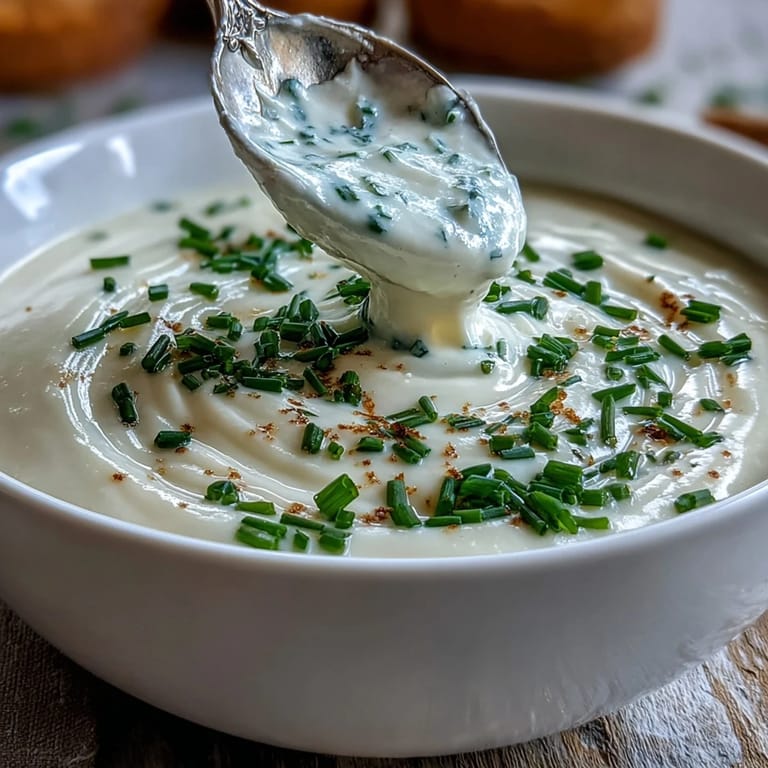
- Taste your soup and add salt and white pepper gradually, remembering that seasoning is personal and you can always add more but can't remove it. Ladle into warm bowls and top with a sprinkle of chives or parsley and a tiny drizzle of cream if you're feeling fancy.
 Save
Save There was a dinner party where I made this bisque ahead of time, and when my guests arrived, the kitchen smelled so inviting that people lingered there instead of moving to the dining room. That taught me something essential: the best food is the kind that makes people want to gather around it, not just eat it quickly and move on.
About Celery Root
Celery root, or celeriac as it's called in some places, is one of those vegetables that looks far more intimidating than it actually is. It's the root of a variety of celery grown specifically for its bulbous base rather than its stalks, and it tastes like a refined, almost nutty version of regular celery—subtler and somehow more sophisticated. Once you peel away that rough exterior, you're left with pale, tender flesh that becomes impossibly creamy when cooked. I've found that many people shy away from it at the market, which honestly means less competition when I'm shopping and more of this beautiful vegetable for those of us brave enough to try.
Texture and Blending Matters
The texture of your finished bisque depends entirely on how thoroughly you blend everything. An immersion blender gives you real-time control—you can stop and taste whenever you want—while a countertop blender forces you to commit and blend in batches, but often produces a smoother final result. I prefer the immersion blender for this recipe because it feels more interactive and you can judge the texture as you go. If you end up with something slightly thicker than you hoped, don't panic; just whisk in a bit more warm broth until it flows like silk.
Variations and Pairings
Once you've made this bisque once, you'll start seeing opportunities to make it your own. A splash of dry white wine added after sautéing the vegetables adds a subtle sophistication, while a tiny pinch of nutmeg whispered into the finished soup makes people wonder what that mysterious warmth is. For wine pairing, serve it alongside something crisp and mineral-driven—a Sauvignon Blanc or Muscadet would be perfect—and always have crusty bread nearby for dipping because there will be dipping. One last thing that changed everything for me: serve your bowls warm before ladling the soup, as cold ceramics will steal heat faster than you'd expect.
- Try a splash of white wine after sautéing for added complexity and elegance.
- A tiny pinch of freshly grated nutmeg transforms it into something mysteriously warm.
- Always warm your serving bowls so the soup stays at its best temperature longer.
 Save
Save This bisque taught me that sometimes the simplest ingredients, treated with respect and patience, create something that feels far more special than the effort required. Every time I make it, I'm reminded why I fell in love with cooking in the first place.
Recipe Questions & Answers
- → Can I make this bisque dairy-free?
Yes, simply substitute olive oil for butter and use plant-based milk and non-dairy cream. The texture and flavor remain wonderfully rich and creamy.
- → What does celery root taste like?
Celery root has a subtle, earthy flavor with mild celery notes. It's less intense than celery stalks and develops a sweet, nutty taste when cooked, making it perfect for creamy soups.
- → Can I make this soup ahead of time?
Absolutely. This bisque keeps well in the refrigerator for up to 3 days. Reheat gently over low heat, stirring occasionally. You may need to add a splash of broth or milk to adjust consistency.
- → What can I substitute for celery root?
While celery root gives this bisque its signature flavor, you can substitute with cauliflower or parsnips for a different but equally delicious creamy soup. Adjust seasonings to taste.
- → How do I peel celery root easily?
Use a sharp knife to cut off the top and bottom, then stand it upright and slice down the sides to remove the thick, knobby skin. A vegetable peeler won't work well due to the irregular surface.
- → Can I freeze this bisque?
Yes, this soup freezes well for up to 3 months. Cool completely before freezing. Thaw overnight in the refrigerator and reheat gently, whisking to restore the smooth texture.