 Save
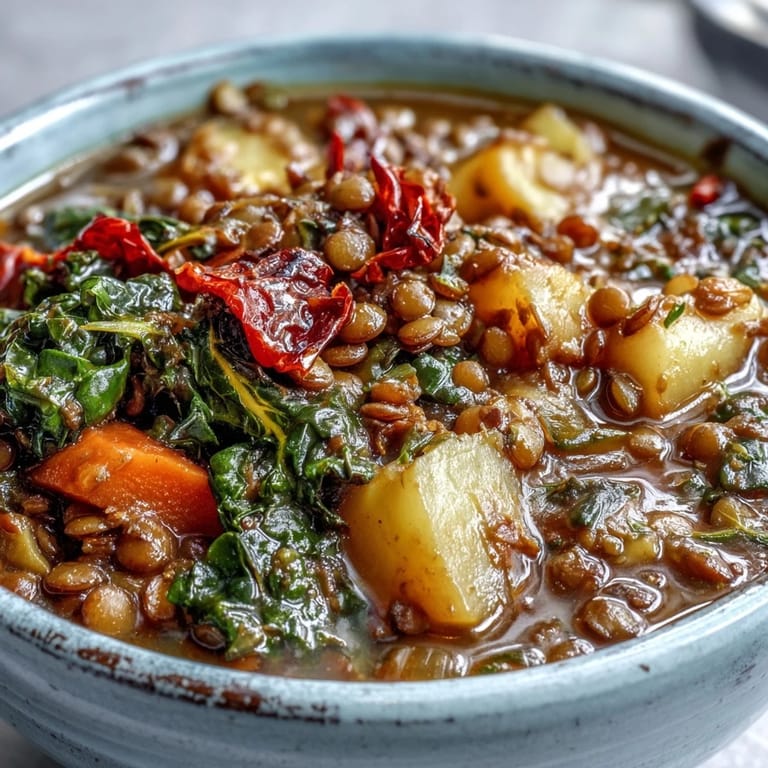
Save There's something about a pot of lentil stew that makes a kitchen feel instantly warmer, even on the dreariest afternoons. My neighbor knocked on my door once with a confused look, asking what smelled so good, and I realized that moment, simmering vegetables and earthy lentils together, that this humble stew had become one of my most reliable comforts. It's the kind of dish that asks very little of you but gives back generously, feeding both body and soul without pretense. Whether you're cooking for yourself or a table full of people, this stew adapts to whatever you have on hand and whatever mood you're in.
I made this for my sister when she was going through a rough spell, and she sat at my kitchen counter just watching it bubble away, saying the smell alone was therapeutic. There was something about offering her a warm bowl of something I'd made from scratch that felt like the right language when words weren't working. She's asked for it every time she visits since, and now it's become our unspoken ritual, proof that the best meals are sometimes the simplest ones.
Ingredients
- Brown or green lentils, 1 ½ cups rinsed: The backbone of this stew, brown lentils hold their shape beautifully while green lentils bring a slightly peppery note; either works wonderfully, though I've found green ones add a subtle complexity.
- Vegetable broth, 4 cups: Use the best quality broth you can find because it's not hiding under heavy cream here, it's the foundation that everything builds on.
- Olive oil, 2 tablespoons: This small amount is enough to coax out the sweetness of your vegetables without making the stew feel heavy.
- Onion, carrot, celery, and bell pepper: The aromatic base that gets the whole stew singing; don't rush this sauté, those few minutes of softening make an enormous difference.
- Garlic, 3 cloves minced: Fresh garlic added after the softer vegetables creates a more delicate, integrated flavor than if it all cooked together from the start.
- Potato, 1 medium peeled and cubed: Adds gentle body and substance that thickens the stew naturally without any cream or flour.
- Canned diced tomatoes, 1 can with juice: The acid here brightens everything and prevents the stew from tasting one-note, plus the juice becomes part of your cooking liquid.
- Spinach or kale, 2 cups chopped: Added at the very end so it wilts into tender ribbons without losing its nutritional punch or turning muddy-looking.
- Cumin, paprika, thyme, and bay leaf: This spice combination is warm and inviting without being aggressive; the smoked paprika especially gives an almost savory depth that makes people believe you've been cooking for hours.
- Salt and black pepper to taste: Always season at the end when you can actually taste what you're adjusting.
Tired of Takeout? 🥡
Get 10 meals you can make faster than delivery arrives. Seriously.
One email. No spam. Unsubscribe anytime.
Instructions
- Warm your oil and start your soffritto:
- Heat olive oil in a large pot over medium heat and add your onion, carrot, celery, and bell pepper all together. You'll know they're ready when they've softened and the onion turns translucent, which takes about five to seven minutes; listen for the gentle sizzle and don't wander too far.
- Wake up the garlic:
- Add your minced garlic and let it toast for just one minute, until the kitchen fills with that unmistakable aroma. This brief cooking mellows the garlic's sharpness and integrates it into the vegetables rather than having it taste raw.
- Build your stew base:
- Pour in your lentils, potatoes, diced tomatoes with all their juice, and vegetable broth, then sprinkle in the cumin, smoked paprika, thyme, and tuck in the bay leaf. Stir everything together so nothing sticks to the bottom, and you'll immediately notice how the spices bloom into the liquid.
- Let it simmer gently:
- Bring the pot to a boil so you see an active bubble or two, then turn the heat down to low, cover it, and let it bubble quietly for thirty to thirty-five minutes. Stir occasionally and notice how the lentils gradually surrender and soften, transforming from firm little bullets into something you can almost squash against the side of the pot.
- Finish with greens:
- Once your lentils and potatoes are tender, fish out the bay leaf, then add your spinach or kale and let it wilt for two or three minutes. The green will add visual brightness and a slight earthiness that makes the whole stew feel complete.
- Taste and adjust:
- Remove the pot from heat and taste a spoonful; this is when you season with salt and pepper to your liking. If the stew feels too thick, add extra broth or water until you reach the consistency you love, whether that's thicker and more stewlike or brothier and soupier.
- Serve with intention:
- Ladle the stew into bowls while it's steaming, and finish each one with a scatter of fresh parsley and a squeeze of lemon so bright it makes everyone pause for a moment.
 Save
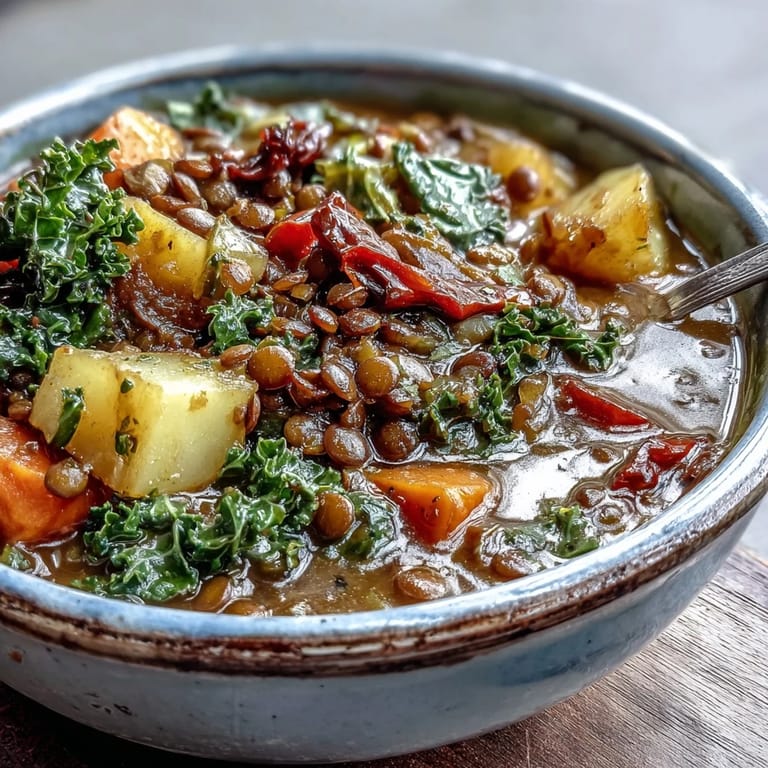
Save My roommate in college used to make versions of this with whatever vegetables were about to go bad, and somehow it always worked, always tasted intentional. That taught me that this stew has real flexibility built into its bones, that it's forgiving in a way that's almost rare in cooking. Now I understand that flexibility as a kind of generosity in a recipe, an invitation to cook with what you have rather than what you don't.
Why This Stew Works Every Time
The magic here isn't in rare ingredients or complicated technique; it's in the understanding that lentils are sturdy enough to carry a lot of flavor without needing fat or protein from meat. The vegetables soften and become almost part of the broth itself rather than separate pieces floating around, and the combination of cumin and smoked paprika creates a flavor that feels almost Mediterranean without being specifically from anywhere. What makes this stew special is that it tastes like you've been tending to it all day, even though you've really only spent twenty minutes of active time.
Variations That Feel Like Discoveries
I've made this stew in winter with root vegetables like parsnips and turnips, and in summer with zucchini and fresh tomatoes, and it transforms each time while remaining fundamentally itself. Someone once suggested I add a splash of balsamic vinegar at the very end, and that small addition created this subtle sweetness that made people go quiet for a moment when they tasted it. You can swap the potato for sweet potato if you want something more naturally sweet, or add extra garlic if you want it more assertive, or even a pinch of cumin more if you're cooking for people who love warming spices.
Serving This Stew Like You Mean It
This stew asks for crusty bread, the kind you can drag through the broth and taste both the bread and the stew at once, which is maybe the most honest way to eat something hearty. I've also served it over rice or polenta or tucked into a warm pita, and each approach works beautifully, creating a different kind of meal from the same pot. The lemon squeeze at the end is non-negotiable for me; it lifts everything and prevents the stew from feeling heavy.
- Fresh parsley isn't just decoration, it adds a bright herbal note that makes the whole bowl feel fresher and more alive.
- If you have any red pepper flakes on hand, a small pinch adds a gentle heat that some people didn't know they wanted.
- Make extra because this stew genuinely tastes better the next day when all the flavors have deepened and merged together overnight.
 Save
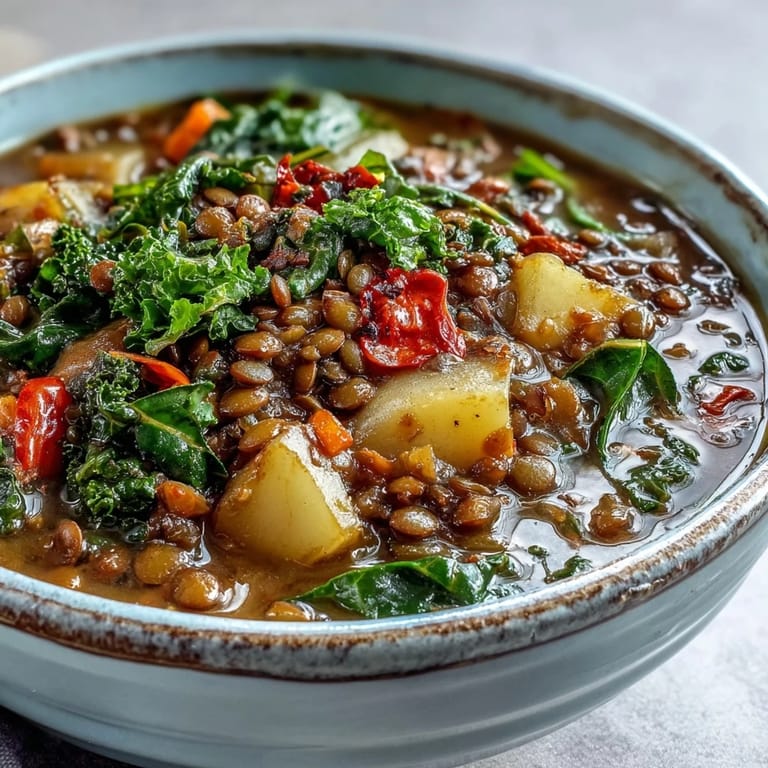
Save This stew has become the dish I make when I want to feel grounded, when I want to feed people who matter to me, or when I simply need my kitchen to smell like home. It's honest food that doesn't apologize for being simple, and that's exactly why people come back to it.
Recipe Questions & Answers
- → Can I use red lentils instead of brown or green lentils?
Red lentils cook much faster and break down more easily, resulting in a creamier, soup-like consistency rather than a hearty stew. If you prefer a thicker texture with intact lentils, stick with brown or green varieties. Red lentils would require reducing the cooking time to about 15-20 minutes.
- → How can I make this stew thicker or thinner?
To thicken the stew, simmer uncovered for an additional 10-15 minutes to allow excess liquid to evaporate, or mash some of the lentils and potatoes against the side of the pot. To thin it out, simply add more vegetable broth or water until you reach your desired consistency.
- → Can I prepare this stew in advance?
Absolutely! This stew actually tastes better the next day as the flavors meld together. Store it in an airtight container in the refrigerator for up to 5 days. The lentils may absorb more liquid as it sits, so add a splash of broth when reheating.
- → What vegetables can I substitute or add?
This stew is very versatile. You can substitute zucchini for bell peppers, add diced butternut squash or sweet potato for extra sweetness, or include mushrooms for an earthy flavor. Green beans, peas, or corn also work wonderfully. Just maintain similar cooking times for even texture.
- → Can I freeze leftover lentil stew?
Yes, this stew freezes beautifully for up to 3 months. Cool completely before transferring to freezer-safe containers, leaving some headspace for expansion. Thaw overnight in the refrigerator and reheat gently on the stovetop, adding extra broth if needed to restore the original consistency.
- → Do I need to soak the lentils before cooking?
No soaking is necessary for brown or green lentils. Simply rinse them under cold water to remove any debris. Unlike dried beans, lentils cook relatively quickly without pre-soaking, making this a convenient weeknight meal option.